

Reach thousands of whisky and spirits lovers every day.


03.11.2025

How Buffalo Trace Reinvented Bourbon: The Rise of Annual Releases
How Buffalo Trace Reinvented Bourbon: The Rise of Annual Releases
The Resurgence of American Whiskey and the Birth of Annual Releases
The late 20th century was a challenging era for American whiskey, particularly bourbon, which experienced a steep decline in popularity. Overshadowed by the rise of vodka and other spirits, bourbon production plummeted, with many distilleries closing or operating well below capacity. This downturn persisted through the 1980s and early 1990s, casting bourbon as a commonplace, everyday spirit rather than a premium product.
However, the mid-1990s marked the beginning of a renaissance. As demand for bourbon began to recover, distillers faced a critical challenge: how to reposition their whiskey as a premium offering worthy of higher prices. The solution emerged through a deliberate reframing of bourbon production and marketing. Producers began to emphasise heritage, scarcity, and authenticity—transforming bottles from mere commodities into collectible artefacts steeped in history.
This shift laid the groundwork for the birth of curated annual releases—limited-edition bottlings that honoured historical figures or brands within distillery portfolios. These releases were aged longer than standard expressions, bottled at higher proofs, and made available in tightly controlled quantities each year. This model not only elevated bourbon’s prestige but also sparked enthusiasm among collectors and investors.
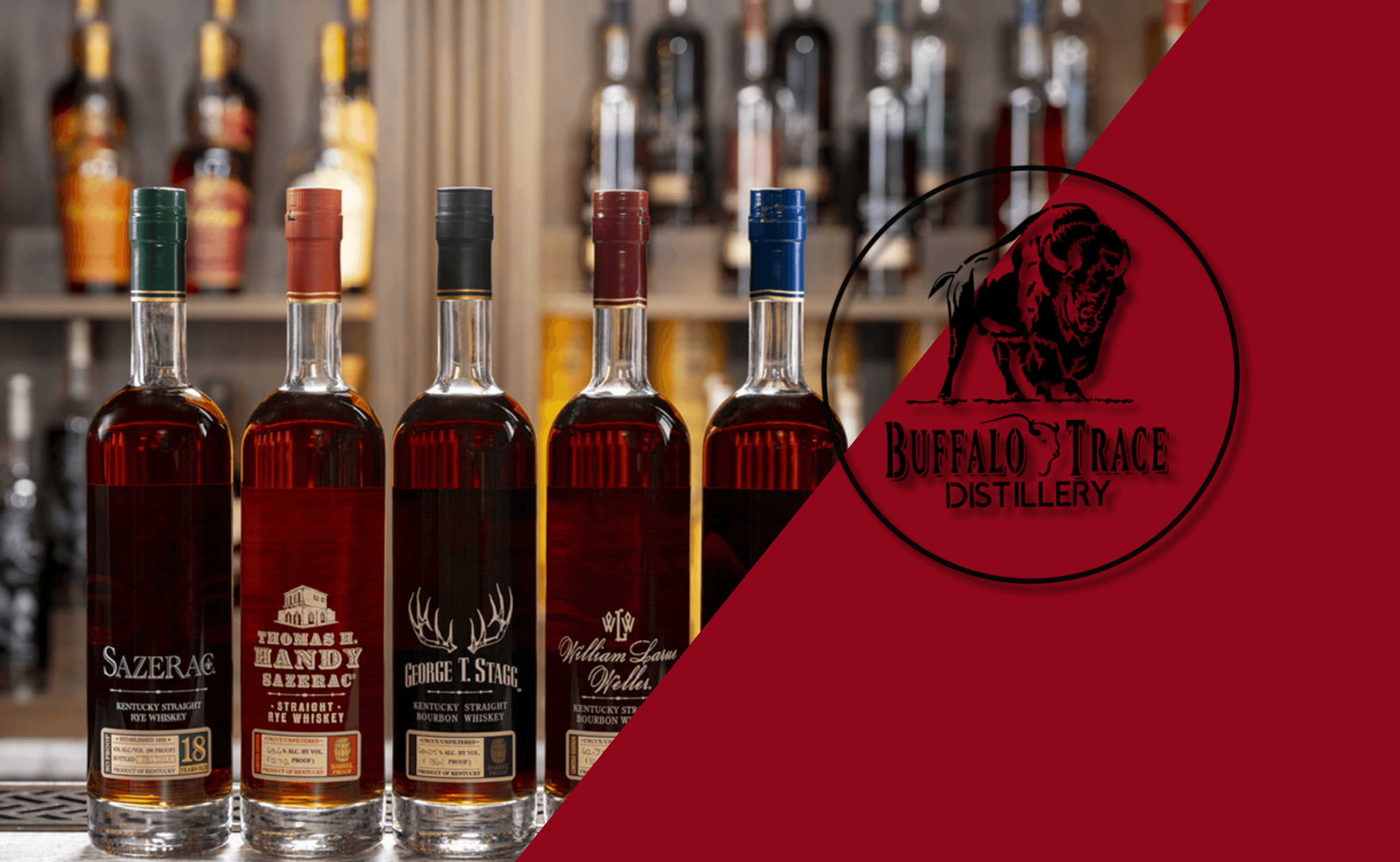
The recent launch of the Buffalo Trace Antique Collection 2025, featuring its first new addition in nearly two decades, exemplifies this enduring legacy. It highlights how annual releases continue to shape American whiskey’s market dynamics and collector culture today.
Understanding the Buffalo Trace Antique Collection
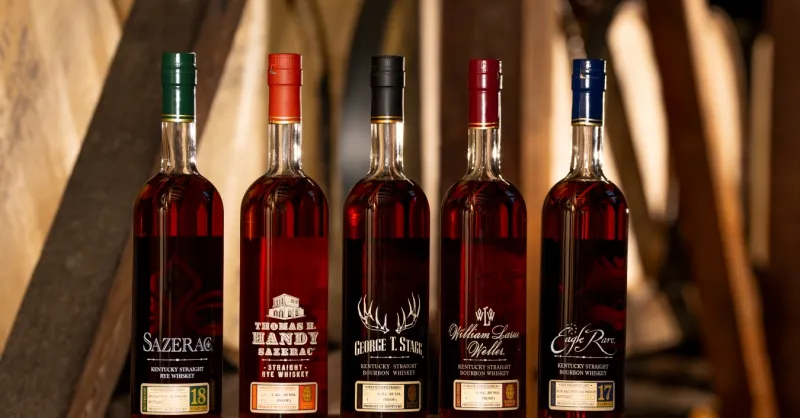
The Buffalo Trace Antique Collection (BTAC), first introduced in 2000, stands as a pioneering example of heritage-focused annual releases in American whiskey. While it did not invent limited yearly bottlings, it crystallised a distinctive strategy that has since influenced premium bourbon marketing worldwide.
BTAC’s inaugural release featured three expressions: Eagle Rare 17 Year Old Bourbon, Sazerac 18 Year Old Rye, and William Larue Weller 19 Year Old Bourbon—all bottled at 90 proof. This initial lineup set a precedent by honouring specific historical brands within the distillery’s portfolio while offering spirits aged well beyond standard bottlings.
Over time, BTAC expanded to include George T. Stagg at an impressive 137.6 proof and 15 years old in 2002, followed by Thomas H. Handy Sazerac Straight Rye in 2006. Each release maintained consistent themes: elevated age statements, high proofs, limited quantities, and strong ties to distilling history.
This approach established BTAC not merely as a collection of rare whiskies but as curated vessels of American whiskey heritage. Each bottle came with detailed production notes explaining its ageing journey and historical significance—creating an immersive experience for collectors who valued provenance as much as flavour.
The collection’s stability over nearly two decades—with only minor variations in proof or age statement—has fostered deep loyalty among enthusiasts and collectors alike. The recent addition of Colonel E.H. Taylor Bottled-in-Bond Bourbon in 2025 marks the first new member since 2006, signalling both respect for tradition and ongoing innovation within this iconic series.
The Influence of Historical Figures on Whiskey Branding
Historical figures play a vital role in shaping the authenticity and collector appeal of American whiskey brands like those in the Buffalo Trace Antique Collection. By linking each expression to a renowned individual from distilling history, BTAC transforms bottles into tangible connections with American heritage—enhancing both narrative depth and market value.
E.H. Taylor: The Father of Modern Bourbon
E.H. Taylor Jr., often hailed as the "Father of Modern Bourbon," was instrumental in advancing both production techniques and regulatory frameworks that underpin today’s premium bourbons. Purchasing the O.F.C. Distillery in 1869, Taylor introduced innovations such as advanced grain handling equipment and steam heating systems that remain foundational to Buffalo Trace’s barrel warehouses.
More significantly, Taylor championed the Bottled-in-Bond Act of 1897—the first federal consumer protection law for food and beverages in America—which mandated strict standards including minimum ageing periods and proof requirements under government supervision. This legislation protected consumers from adulterated spirits while assuring quality and authenticity.
By naming an expression after Taylor within BTAC—and now adding a Bottled-in-Bond release bearing his name—the collection honours his lasting impact on bourbon’s integrity and prestige.
William Larue Weller and the Wheated Bourbon Legacy
William Larue Weller is celebrated for pioneering wheated bourbon—a style substituting wheat for rye as the secondary grain—which yields a softer, smoother flavour profile distinct from traditional rye-forward bourbons. Born in 1825, Weller’s commitment to quality extended to marking barrels with a green thumbprint to prevent counterfeiting—a precursor to modern brand authentication efforts.
His legacy endures through wheated bourbons that remain highly prized by collectors for their unique taste profiles and historical significance. Within BTAC, his namesake expression exemplifies this heritage-driven branding approach that links liquid character directly to storied innovation.
The Role of Regulatory Certifications in Whiskey Marketing
Regulatory certifications such as Bottled-in-Bond have gained renewed prominence as powerful signals of quality and authenticity within American whiskey marketing. Originally enacted in 1897 but largely forgotten during Prohibition and deregulation eras, this law has experienced a renaissance as producers leverage its strict standards to differentiate premium offerings.
The Bottled-in-Bond Act requires whiskey to be aged at least four years in federally supervised warehouses, distilled by one producer during a single season, bottled at exactly 100 proof with no additives beyond water for proof adjustment. These rigorous criteria assure consumers of product integrity amid an increasingly complex spirits landscape.
Buffalo Trace’s introduction of the Colonel E.H. Taylor Bottled-in-Bond Bourbon into its Antique Collection underscores this certification’s market value—not only does it honour Taylor’s original advocacy but it also represents one of the rarest regulatory designations available today. Out of more than 10,000 American whiskey brands, only about 100 expressions carry this certification.
This resurgence reflects broader consumer trends favouring transparency around production methods and verifiable provenance over mere marketing claims—a shift that elevates genuine craftsmanship above novelty alone.
Market Dynamics: Collectors and Investment Trends
The market for collectible American whiskey has grown dramatically over recent decades—driven by both genuine enthusiasts seeking exceptional bottles and investors viewing rare whisky as alternative assets. Between 2011 and 2021 alone, rare whisky investments surged by over 400%, with collectible bottle prices climbing more than 300%.
Buffalo Trace Antique Collection bottles exemplify this trend; while retail prices hover around $150 per bottle, secondary market values can exceed $2,200 for recent releases—and complete sets from years like 2025 have fetched upwards of $4,500 at auction.
This financial dynamic reflects changing wealth strategies where physical collectibles with documented provenance offer both enjoyment and investment potential amid saturated traditional markets. Kentucky distilleries have responded accordingly: by 2022 they had invested nearly $2 billion into expanding capacity—with billions more pledged—anticipating sustained collector demand.
Interestingly, while some segments cooled modestly in 2024—with overall bourbon secondary values down approximately 11% year-to-date—quality expressions with verifiable lineage continued to appreciate or hold value firmly. This suggests maturation beyond speculative buying toward prioritising authenticity.
The recent Buffalo Trace Antique Collection launch reinforces these market realities by embedding regulatory pedigree alongside historical legacy—offering collectors confidence grounded in measurable quality rather than hype alone.
You might also notice how this evolving collector mindset aligns closely with current trends highlighted by Buffalo Trace's latest release—their first new addition in nearly two decades—which signals ongoing innovation rooted deeply in tradition.
The Future of Annual Releases in American Whiskey
As we look ahead, annual releases like those pioneered by Buffalo Trace face both opportunities and challenges within an evolving whisky landscape. The model that began with three expressions aged well beyond standard bottlings has matured into a sophisticated strategy prioritising verifiable history over novelty alone.
The introduction of Colonel E.H. Taylor Bottled-in-Bond Bourbon reflects this consolidation—leveraging federal regulation alongside founder legacy to sustain brand prestige amid thousands of competing labels. With few historically significant figures left unrecognised within existing collections, future innovations may increasingly focus on transparency around production specifics such as exact age statements, batch documentation, or single-barrel provenance.
For collectors navigating this environment, discerning genuine heritage-backed releases from purely speculative offerings will become ever more important—making detailed information essential when sourcing bottles through trusted platforms like Spiritory.
Ultimately, annual curated releases remain vital conduits connecting enthusiasts with American whiskey's rich past while shaping contemporary expectations around quality and scarcity—a tradition sure to endure even as new stories unfold.
FAQs
What makes Buffalo Trace Antique Collection so special compared to other bourbons?
Buffalo Trace Antique Collection stands out because it combines substantial ageing beyond standard bottlings with elevated proofs and tight scarcity controls—all linked explicitly to historical figures central to American whiskey heritage. This creates not just exceptional liquid but collectible artefacts steeped in authentic narratives that appeal strongly to enthusiasts worldwide.
How does the Bottled-in-Bond certification affect whisky quality?
Bottled-in-Bond certification requires strict adherence to ageing (minimum four years), proof (exactly 100), single distillery origin per season, plus government warehouse supervision—ensuring purity and consistency without additives except water for proofing. This guarantees consumers receive genuine high-quality whisky backed by federal regulation rather than marketing claims alone.
Are annual releases like BTAC good investments?
While no investment is guaranteed, historically curated collections like BTAC have shown strong secondary market appreciation due to their scarcity, documented provenance, and brand prestige. Platforms such as Spiritory provide verified listings helping buyers access authentic bottles backed by detailed production data—essential for informed collecting or investment decisions.
How can I verify the authenticity of collectible bourbons?
Authenticity verification involves checking detailed provenance including batch numbers, ageing statements, bottling proofs alongside official documentation or certificates where available. Trusted marketplaces like Spiritory specialise in providing verified listings supported by expert vetting processes ensuring buyers receive genuine products with transparent histories.
Will we see more new additions to collections like BTAC?
Given the recent addition after nearly two decades—the Colonel E.H. Taylor Bottled-in-Bond release—it seems future expansions will be deliberate and historically grounded rather than frequent novelty launches. Collectors can expect continued focus on regulatory pedigree combined with founder legacies shaping any forthcoming additions.
- The Resurgence of American Whiskey and the Birth of Annual Releases
- Understanding the Buffalo Trace Antique Collection
- The Influence of Historical Figures on Whiskey Branding
- The Role of Regulatory Certifications in Whiskey Marketing
- Market Dynamics: Collectors and Investment Trends
- The Future of Annual Releases in American Whiskey
- FAQs
About the author

Natalia Alejandrez Muñiz
I'm a whisky enthusiast and a writer in the making. I enjoy exploring new flavors, learning about the history behind each bottle, and sharing what I discover along the way. This blog is my space to grow, connect, and raise a glass with others who love whisky as much as I do.
To the author